Yesterday is Tomorrow: Spring Salon at ERIAC
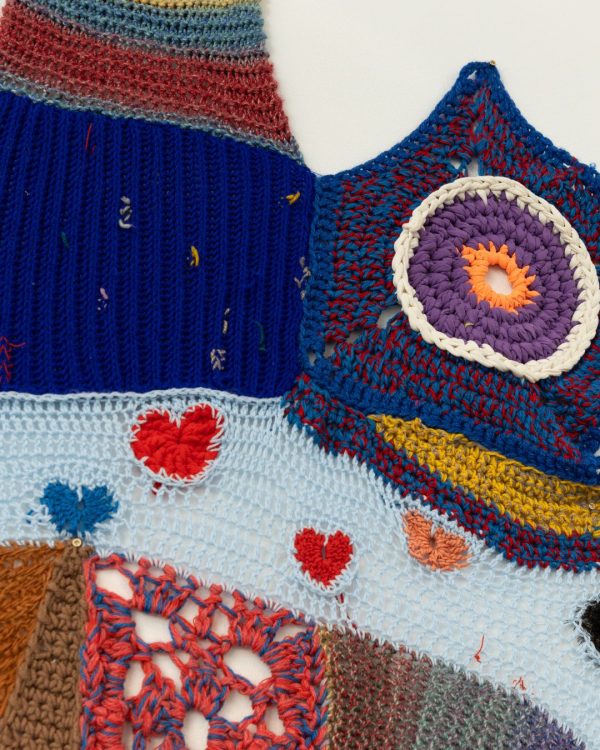
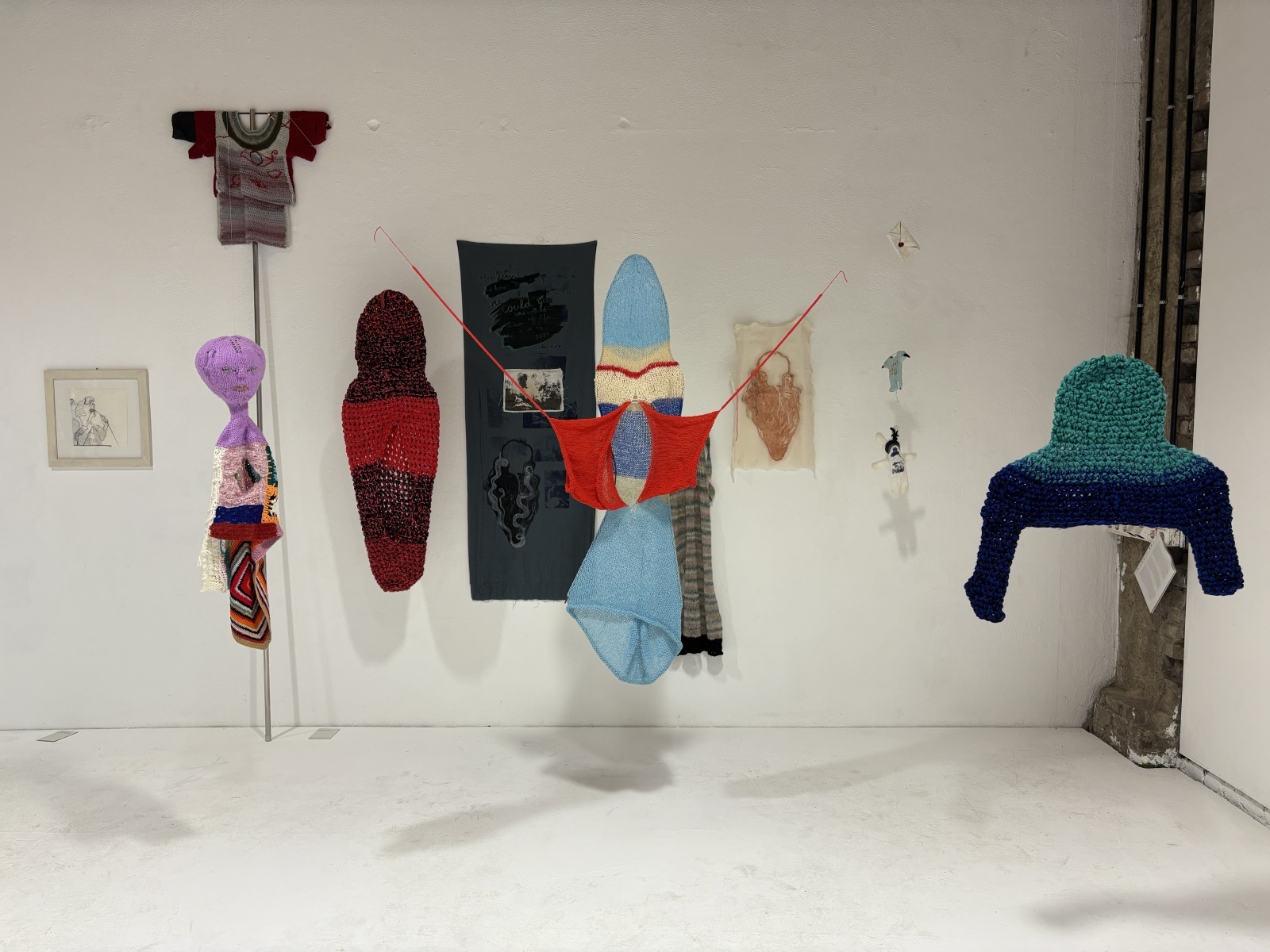
Opening on the occasion of the 55th anniversary of April 8, International Roma Day, Yesterday is Tomorrow, is a group exhibition which explores how traditional craft practices re-emerge in contemporary art as sites of innovation, memory, and cultural resilience.
Techniques such as weaving, embroidery, woodcarving, are often associated with heritage or domestic labour. Yet these practices contain complex systems of knowledge shaped through generations of making. Through the works of Aliz Farkas (HU), Roland Farkas (NL), Rašid Nikolić (IT), Roxy Toledo Munrose (UK), the exhibition revisits these inherited techniques and re-enacts them within new artistic contexts. Craft becomes sculpture, performance, narrative, and installation; ultimately, a manifestation of a desire to reestablish a link to reality, and to the contemporary tradition of the past.
Join us for an evening in the presence of the artists, and explore their positions on navigating their heritage of the past in the complexities of the present.
Yesterday is Tomorrow: Spring Salon at ERIAC
Aliz Farkas (HU), Roland Farkas (NL), Rašid Nikolić (IT), Roxy Toledo Munrose(UK)
9 April – 24 July, 2026
Curated by Emese Molnár
Opening on 8 April, 18:00
ERIAC Gallery Space (Reinhardtstraße 41-43, 10117 Berlin)
18:00 – Opening of Yesterday is Tomorrow
18:15 – Marionette show by ‘paramiśar’ Rašid Nikolić
18:30-19:30 – Artist talk

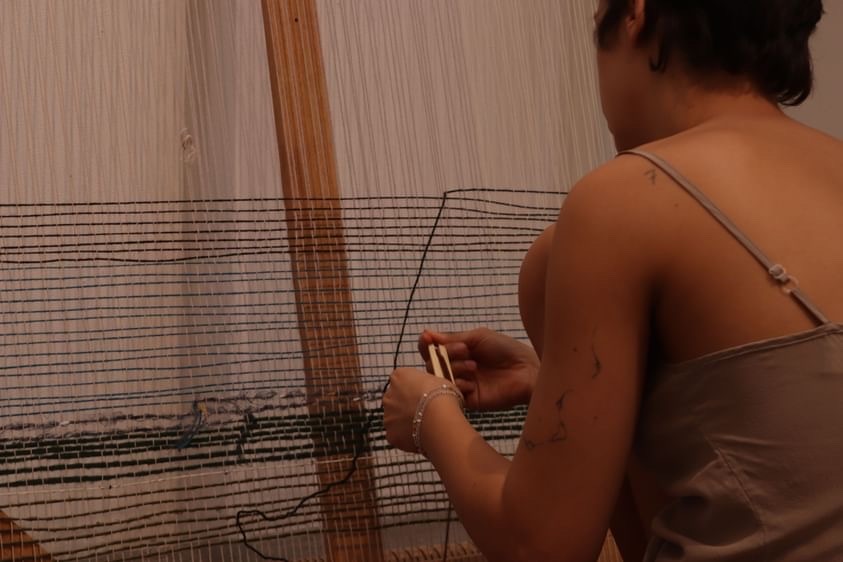
Aliz Farkas (b. 1997) is a visual artist and art historian based in Berlin and Budapest, currently completing her PhD in Art History at the ELTE Doctoral School of Philosophy. Her interdisciplinary practice spans experimental textile work, painting, and photography, often engaging with intersectional feminist approaches. Her work explores the entanglements of myth and everyday life, as well as the dynamics between individual and collective practices.
In 2024 and 2025, she was an artist-in-residence at the Cité internationale des arts in Paris. In 2025, she was a guest lecturer on textile practices at the Hochschule der Bildenden Künste Saar in Germany. She is a member of Bura Gallery in Budapest, which focuses on contemporary Roma art, and regularly participates in interdisciplinary collaborations at the intersection of art and social work.
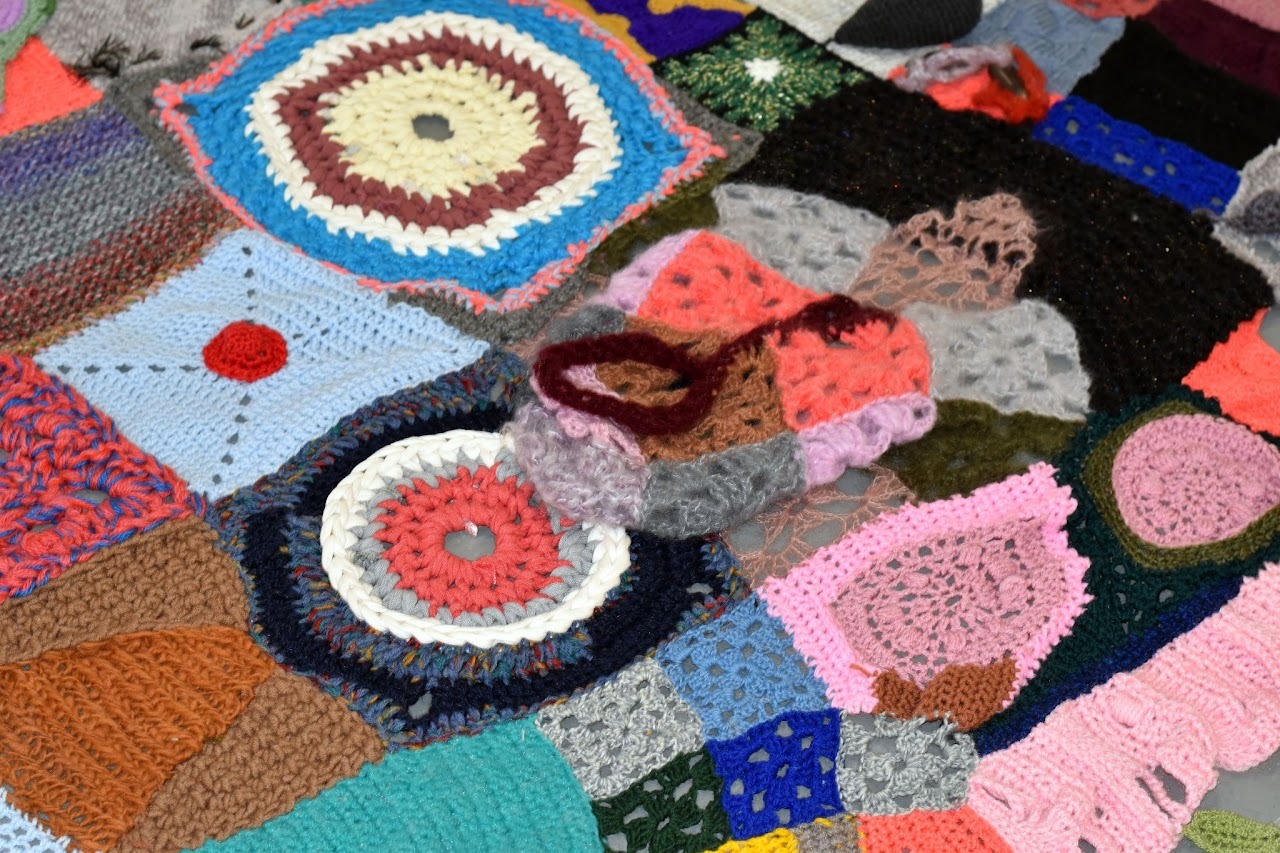
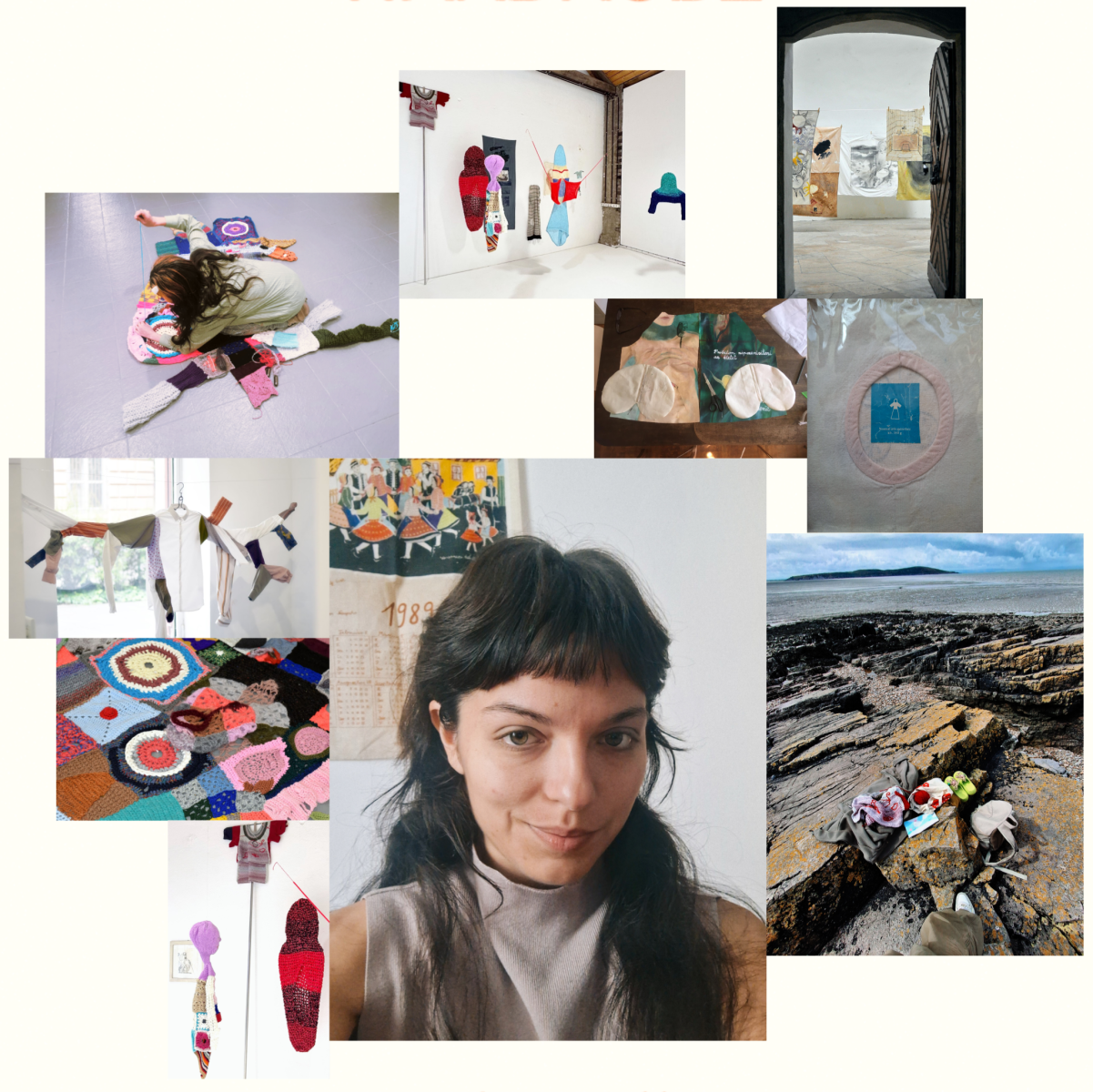
Fohno is a meta-space created by Aliz Farkas, “which is accessible and open to anyone, regardless of education, social status, or position within (or outside) the art world.
As she puts it, Fohno offers alternative ways to build networks. Its most crucial element is the unexplainable – resisting the myth of objectivity, which often occupies space that should be dedicated to genuine attention, communication, and discovery. The method’s primary medium is textiles, which, beyond embodying the metaphor of a network, also serve as a basis for communal activities. In this sense, the weaving of visible threads of textiles is secondary to the development of invisible threads of human connection. However, when these two intersect, topics, free associations, and ideas emerge that would otherwise remain suppressed in a purely intellectual, structured dialogue”.
For further information visit: https://www.farkasaliz.com/ | https://fohno.com/
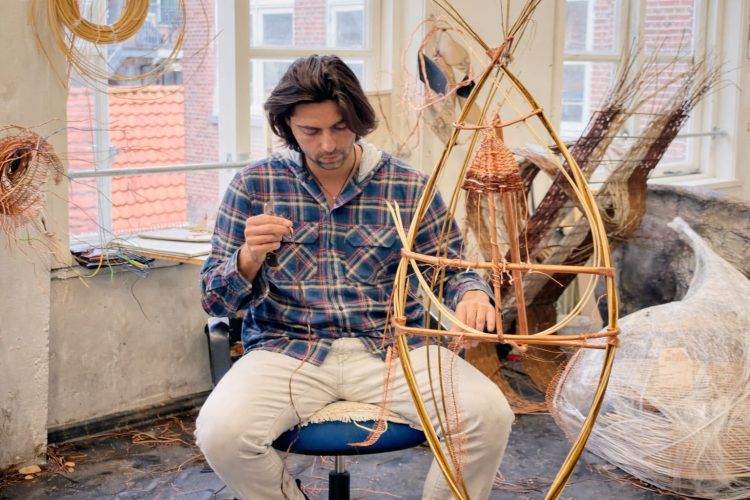
Roland Farkas (NL) is an artist of Roma origin based in The Netherlands and currently completing his MA in Artistic Research at the Royal Academy of Art in The Hague. His practice moves between sculpture, performance, and storytelling, exploring how inherited craft knowledge can be transformed into contemporary artistic forms.
Drawing from family traditions of basket weaving that he learnt while growing up in Slovakia, Farkas works with materials such as willow branches, copper wire, and found objects. He studied at the AKI ArtEZ Academy of Art & Design in Enschede, where he also became fascinated with performance and experimental art form. Through this constant movement of materials, stories, and people, Farkas explores how cultural knowledge survives, adapts, and transforms across time and place. By combining material practice with performative and participatory elements, his work invites audiences to encounter sculpture not only as an object but as an evolving structure of relations between memory, labor, exchange, and collective imagination.
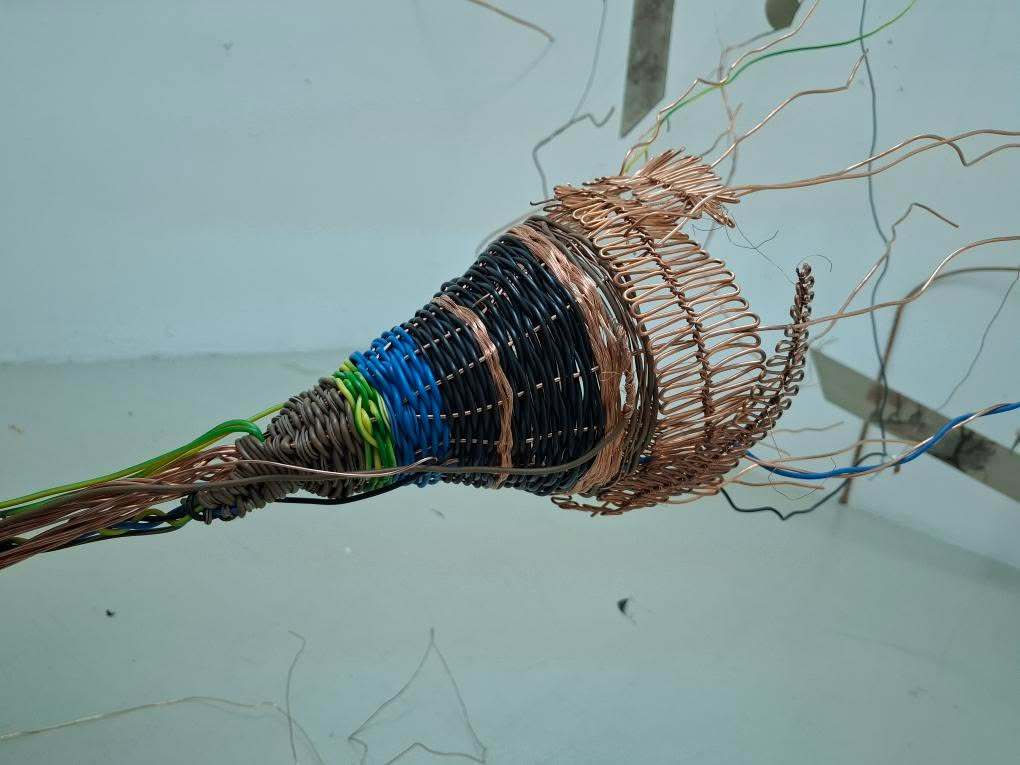
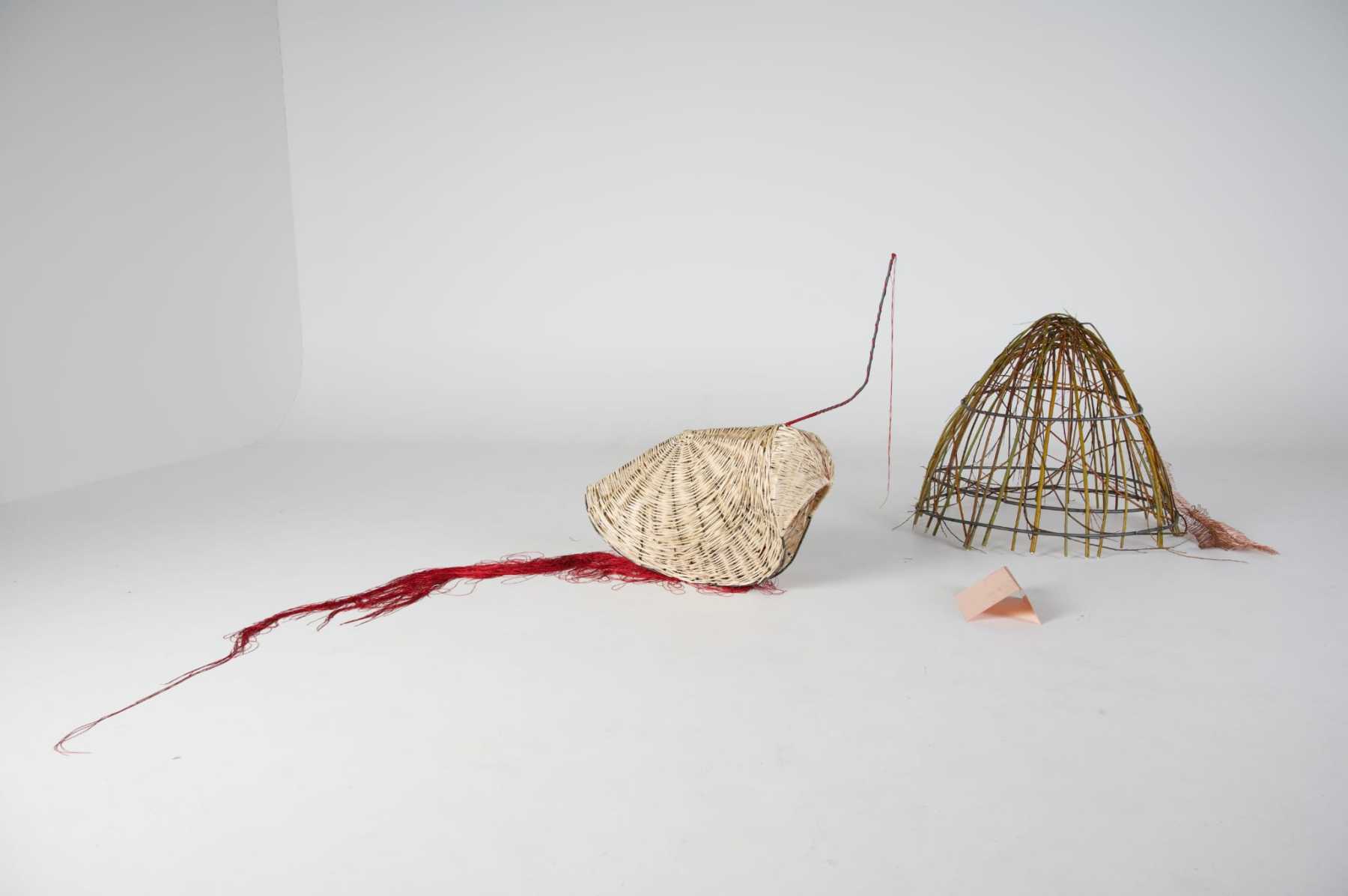
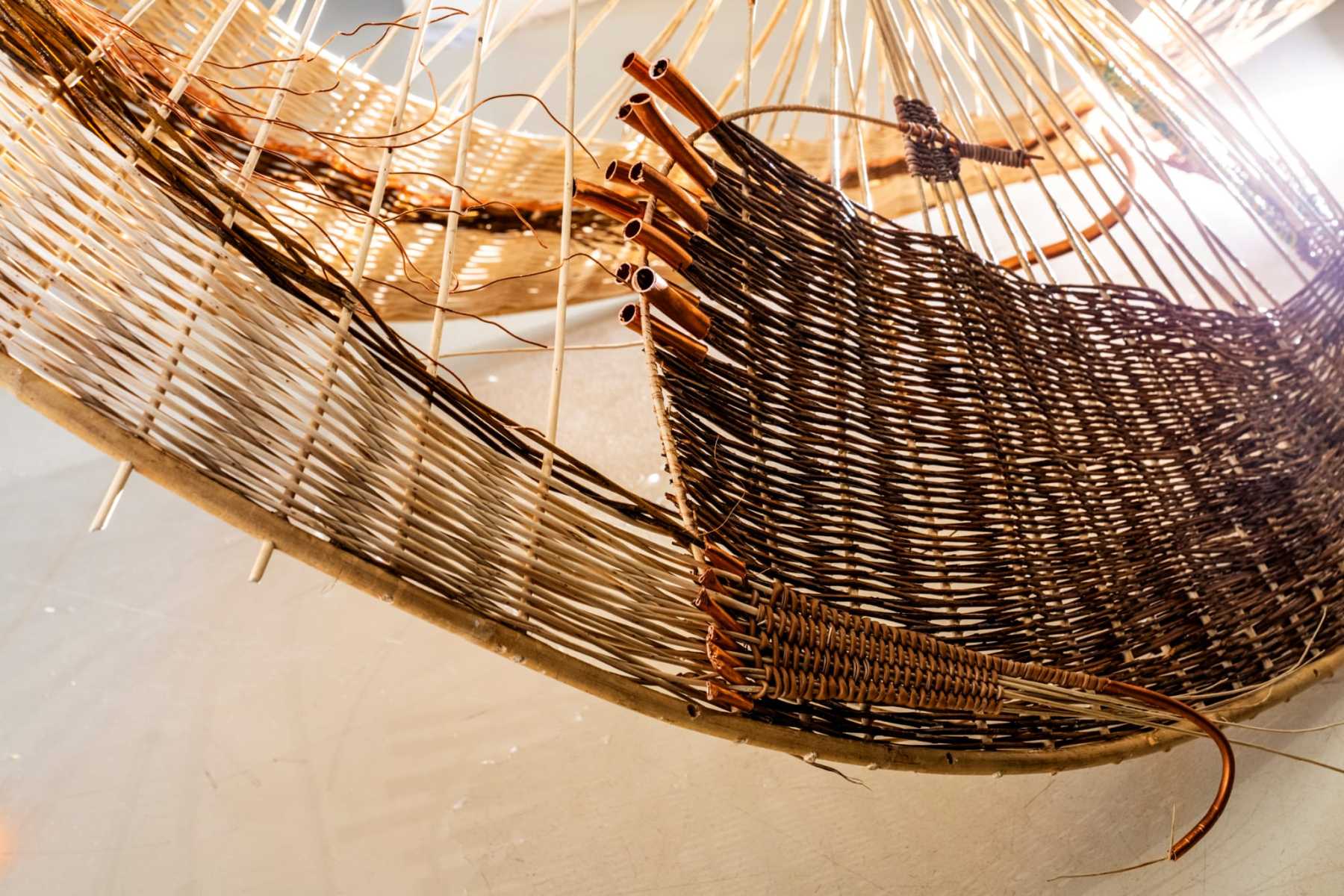
ON WOVEN STRUCTURES
Today these experiences reappear in my sculptural practice. Woven structures such as traps, shields, and suspended forms operate as both physical objects and narrative environments. The works often travel between different locations and contexts, gathering new meanings along the way”.
In a nutshell, memories of a remarkable childhood inspire Roland Farkas’ art: https://www.artez.nl/en/stories/memories-of-a-remarkable-childhood-inspire-rolands-art
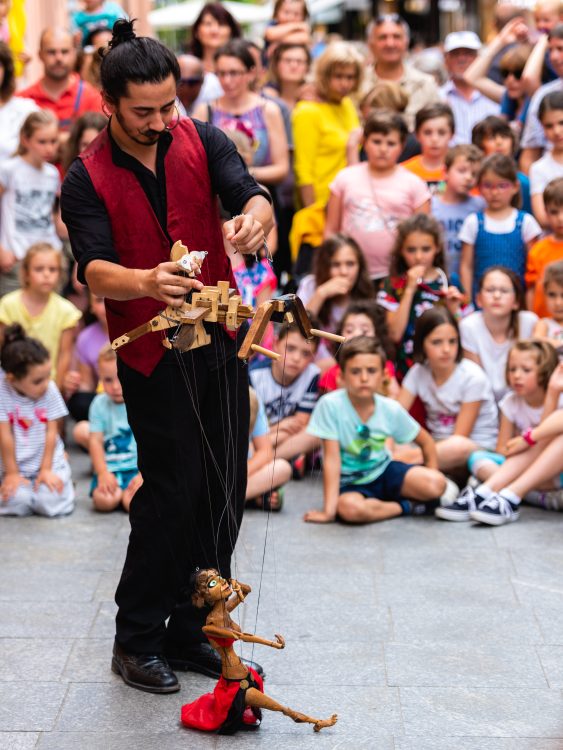
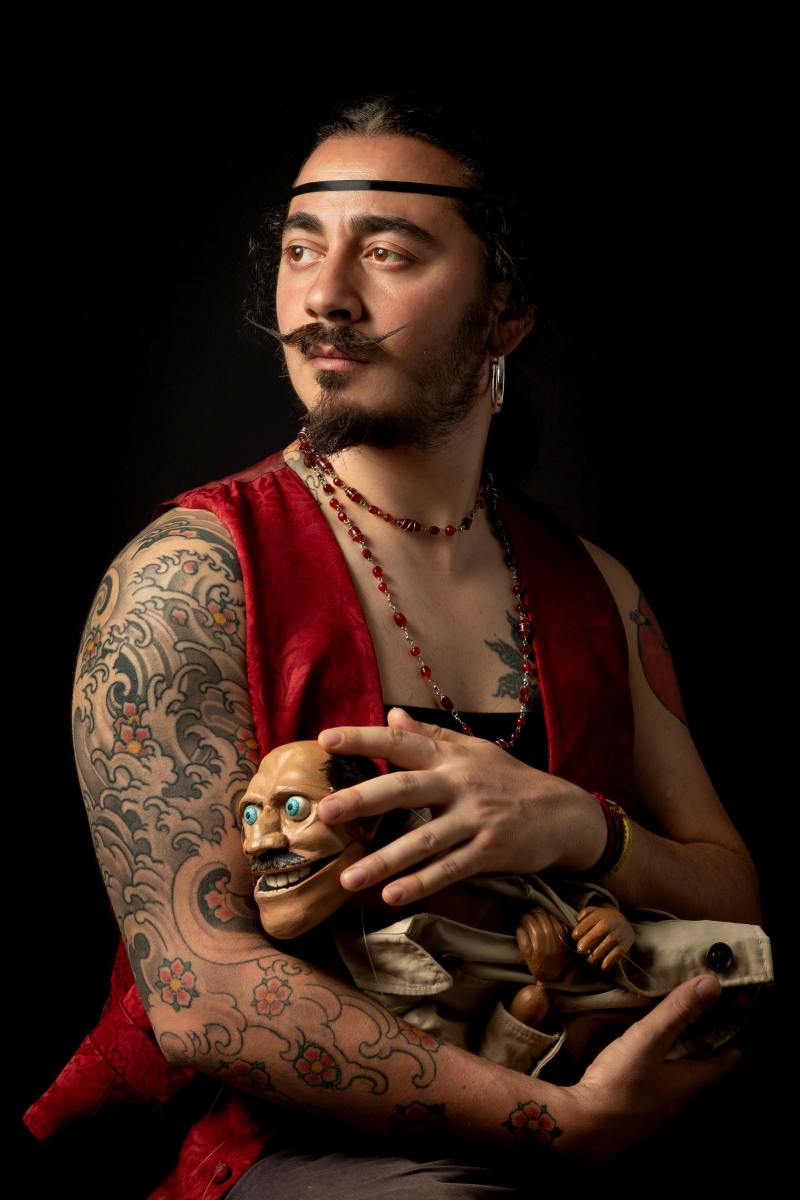
Rašid Nikolić (b.1989, Bosnia and Herzegovina) is a Roma artist, paramísar (storyteller), puppeteer and activist based in Turin, Italy, who works at the intersection of woodcarving, puppet theatre and social engagement. Having learned woodcarving from his grandfather, he developed a distinctive artistic language through hand-carved marionettes that embody personal and collective Roma narratives. Since 2012, he has toured internationally with his performance The Gipsy Marionettist, combining traditional puppetry with autobiographical storytelling to challenge stereotypes and offer nuanced perspectives on Roma identity.
Alongside his artistic work, Nikolić is an active voice in Roma rights advocacy. His performances, including Rom VS Tutti, merge humour, critical reflection and social commentary to confront prejudice and dismantle misconceptions about Roma communities. Between 2023 and 2025, he served as professor of figure theatre in scenography at the Academy of Fine Arts in Turin, becoming the first person of Roma ethnicity to hold this position in Italy. He is also the recipient of the Romani Excellence Award, presented by Santino Spinelli.
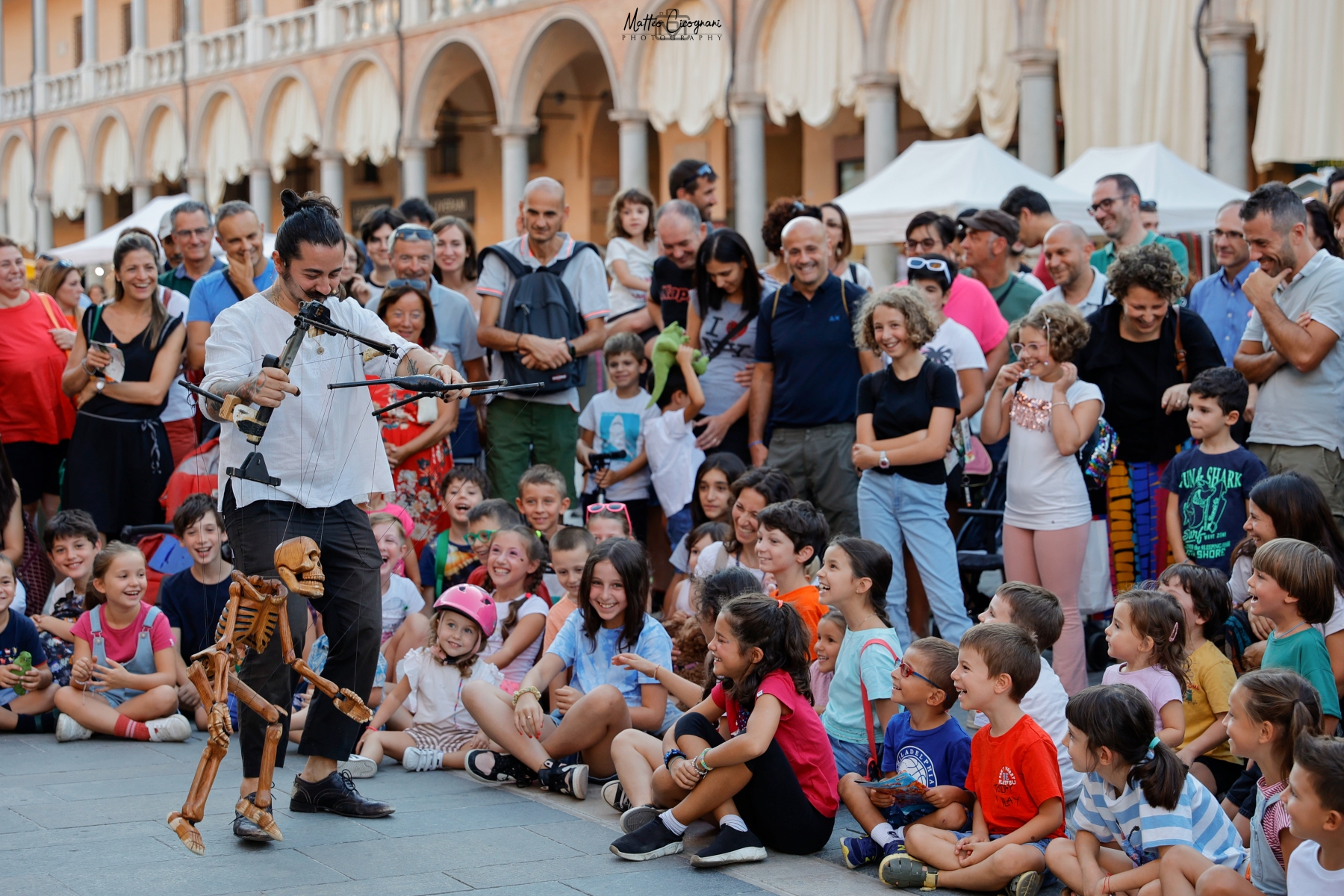
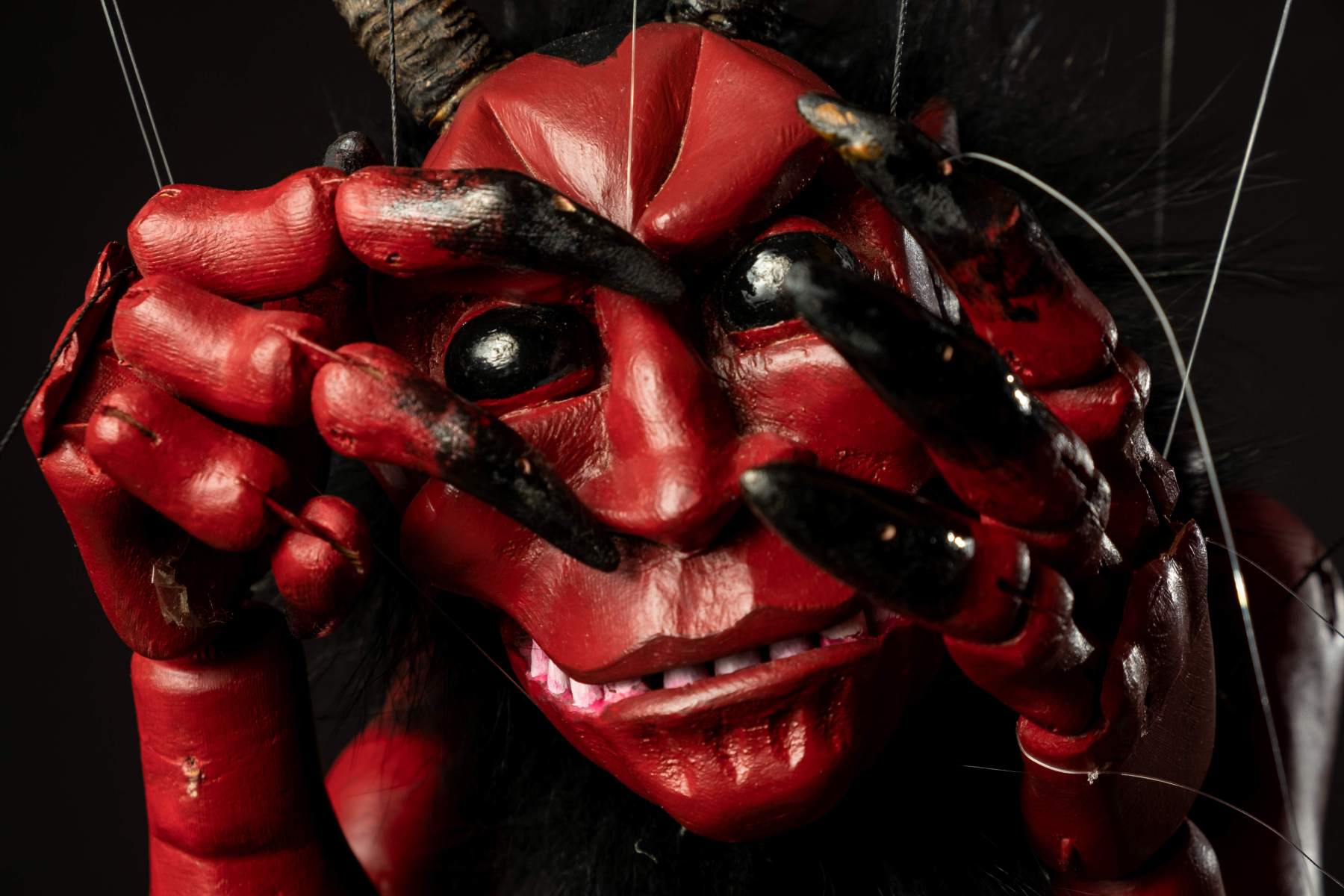
The Paramiśar is able to gather and transform within their stories the experiences and complexity of emotions of the Roma often facing everyday acts of hostility and antigypsyism. The absence of a written language allowed these stories to inherit from ¨Mother India¨ another universal language: puppet theatre. Many of these tales were animated and performed using puppets and marionettes. In fact, the first traveling performances staged by Romani populations in Europe were street shows with marionettes. Therefore, the Paramiśar directs their stories not only inward, toward the community, but also outward, toward the wider world.
Social role, traditional profession, cultural witness, and much more – one thread runs through all these definitions and ties them to the spirit of a powerful culture with a fiery and dichotomous character.¨Today I inherit this role just as I inherited my name and the craft of carpentry from my grandfather. Through street performance and my personal experience, the need is reborn to tell the truth about my people, and to reflect on our future.
In my Paramiśar, I tie together all these threads and fragment my soul within my marionettes. In this language, I feel that the role of the jester who points at power, or of the carnival that exorcises fears, is still necessary.
And I carry out my work always thinking back to the fairy tales told in the warmth of my family, within that great embrace and in the sweet and heartbreaking inheritance of my blood: Me sem Rom (I am Rom)¨.
Find out more on: https://www.thegipsymarionettist.com/
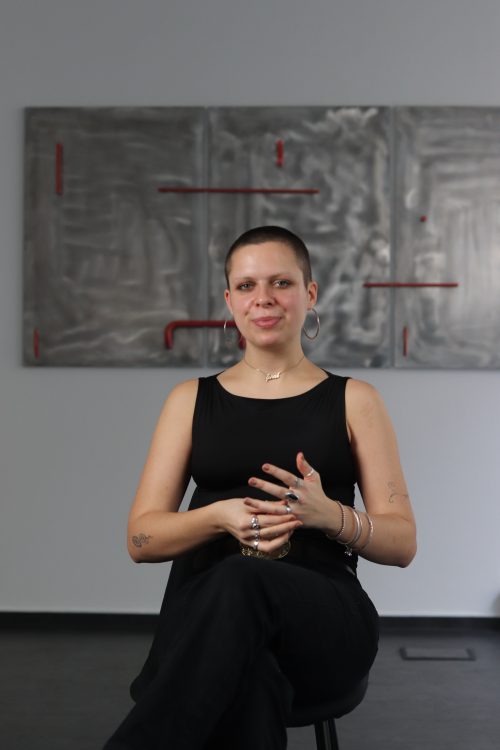
Roxy Toledo Munrose (UK) is a dual heritage Romani visual artist and activist originally from East London, currently assisting the arts and culture programming at the European Roma Institute for Arts and Culture (ERIAC). Before moving to Berlin, they studied Fine Art Sculpture at Camberwell College of Arts. Roxy’s artistic practice spans across textile, performance and photography, and they have exhibited in and curated various group shows, both during their studies and independently. These include presentations at the Whitechapel Gallery, Bargehouse Gallery, PUNK USUAL PINES, the Theo Khelfoune Ferreras retrospective, and Arrival Gallery. Through a lens of conceptual spatial design, Roxy continues to engage with questions of identity, materiality, and space.
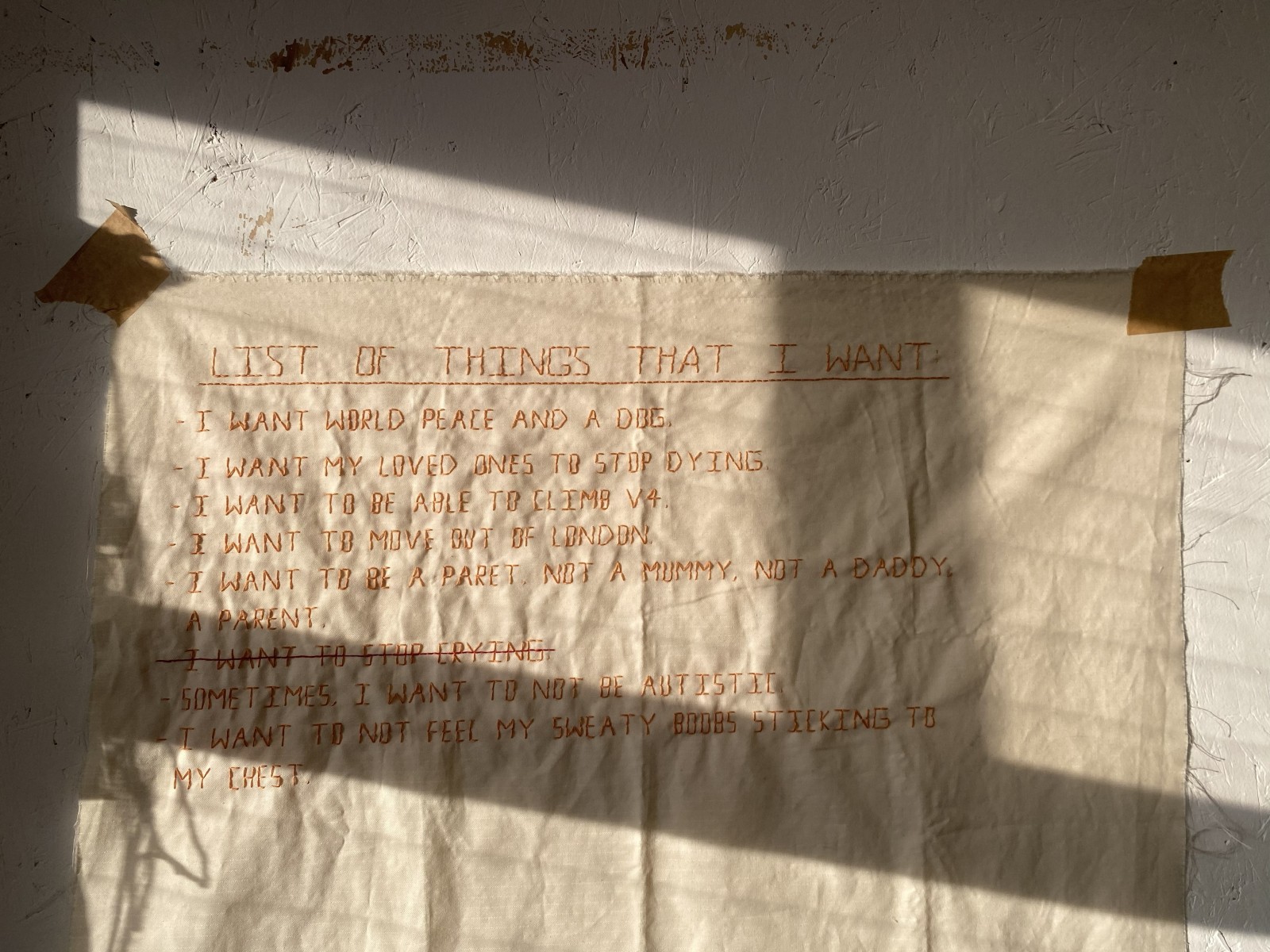

¨Embroidery was not something lovingly passed down to me, nor something I was formally taught. Yet, needles and thread found their way into my hands regardless. Tarot, however, and the practice of card divination, runs through me as surely as my own blood. For generations, Roma and non-Roma alike have gathered to reflect, interpret, and seek guidance on matters of the heart, family, and finances. I continue this practice today.
This project is a playful iteration on the traditional meaning embedded in playing cards. Here, the symbols for each suit have been re-appropriated to represent something of significance in my cultural heritage. The suit of hearts, for example, is now a Sacred Heart, the spades become Kali/Sara e Kali’s scythe, clubs are now a cross, and finally diamonds are the Romani wheel, from our flag. These suits, both from the classic playing card set and from my re-appropriation, also transpire to connect to a suit from the minor arcana in tarot.
In memory of Madame O’Hara, the Celtic seer, and all the soothsayers from whom I descend¨.
The exhibition is presented under the framework of the Opre Roma! Month of the Council of Europe Roma and Travellers Division. For further activities during the month of April, visit the Opre Roma! Month website.